

Who is the Ideal Patient for Laser Therapy?
Laser therapy is a non-invasive, safe procedure that reduces pain and inflammation. Additionally, it increases blood flow and boosts the body’s immune system. Ideal candidates for laser treatment are in good health with realistic expectations. However, you should always discuss all potential risks and complications with your patients before recommending laser procedures.
Anyone with an ailment that can be treated by laser therapy.
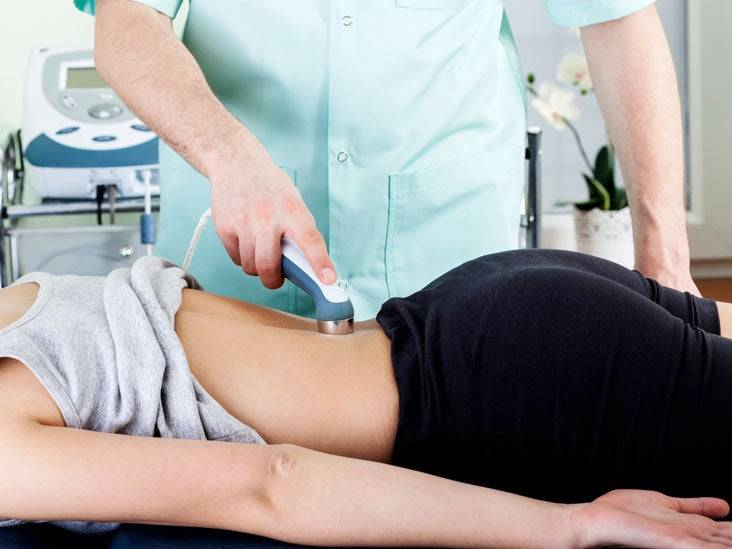
Laser therapy is a safe and effective pain management treatment that utilizes specific wavelengths of light to heal injuries and conditions. The light energy absorbed by your cells accelerates their natural ability to repair itself, decreasing inflammation and improving joint mechanics. During an LLLT session, your doctor will align the laser-emitting device over the desired treatment area and guide it into your skin without causing any pain or damage.
This non-invasive, painless procedure has been demonstrated to have excellent outcomes for many patients. You may feel relief from your symptoms after just a few treatments and the process can be repeated a few times each week for up to one month or longer. To learn more about laser therapy, visit Total Health & Rehab Center.
People with chronic conditions.
People suffering from chronic pain and inflammation are ideal candidates for laser therapy. They will see results quickly after treatments, potentially allowing them to discontinue taking some pain medications altogether. Lasers can also be utilized for treating skin pre-cancers and certain types of cancer. They have surgical applications such as excision of polyps, which are small growths that could develop into cancer.
Laser therapy’s pain relieving and healing properties have long been well documented. These include reduced inflammation, enhanced superoxide dismutase (SOD) levels in cells, as well as temperature modulation. Due to reduced inflammation, normal body function will be restored faster and recovery easier – particularly for inflammatory conditions like osteoarthritis or rheumatoid arthritis.
People with acute conditions.
Laser therapy is ideal for people with acute conditions who require rapid, effective treatments. LLLT can help them manage their pain, stay active and reduce prescription drug intake. Treatment time for this condition is typically 5-10 minutes, depending on its size, depth and acuteness. High-power lasers deliver a lot of energy in a short amount of time, enabling therapeutic dosages to be delivered rapidly.
Some patients experience a flush or warmth during treatment, although it’s usually not uncomfortable or painful. The sensation comes from increased blood flow to the affected area, which has an advantageous effect that promotes tissue healing and recovery. Patients’ response to laser therapy will determine how many treatments they need and how long it takes for lasting relief. Your doctor will create a tailored treatment plan based on your individual requirements, but it’s essential that you finish the course of treatments recommended by your physician or symptoms may return.
People with skin conditions.
Laser therapy is an effective solution for patients seeking to diminish the appearance of wrinkles, acne scars, rosacea, sun damage and other common skin conditions. When laser energy triggers photobiomodulation (PBM), it alters the state of damaged tissue and speeds up healing through increased cellular metabolism.
This is achieved by activating mitochondria (the powerhouse of cells), which create energy by converting glucose and oxygen into ATP that the cell uses for energy production. This promotes a more natural healing response, relieving pain, improving function and reducing swelling without the need for medications or surgery. Lasers and related ‘intense pulsed light’ (IPL) devices are increasingly being employed in NHS dermatology and plastic surgery units, private hospitals/clinics and cosmetic salons for the treatment of various skin conditions. These include excessive blood vessels (e.g. port-wine stains), pigment (e.g. tattoos), inflammatory lesions, scars and excess hair growth.
If you’re interested in exploring laser therapy for your condition, don’t hesitate to contact Total Health & Rehab Center to schedule an appointment with our team of specialists.