

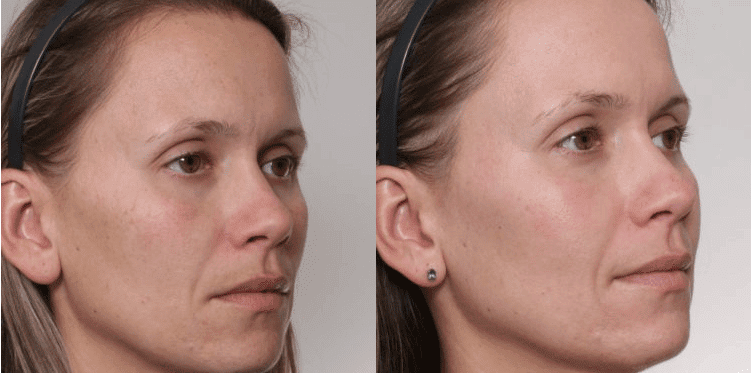
What Happens After Laser Therapy?
Laser therapy is an efficient, non-invasive solution used to alleviate pain caused by injuries or surgery. Additionally, it aids in the healing process by speeding up tissue repair. Laser therapy involves the skin being exposed to a concentrated beam of light that activates the body’s natural healing response. This has an immediate impact on inflammation and pain levels, while increasing comfort as well.
The Recovery Period
Laser therapy is an efficient and painless way to accelerate healing after surgery, potentially eliminating the need for medication that may have unwanted side effects. Nonablative laser resurfacing usually has a short recovery period, lasting only a few hours. While your skin may appear swollen and inflamed during this time, most patients are able to resume their normal activities and skincare regimens immediately after treatment.
During the recovery period, it’s best to avoid exposure to sunlight and apply sunscreen on the treated area in order to shield it from UV rays. Additionally, keep this area clean and dry at all times.
Following laser treatment, follow-up visits to your doctor are highly recommended. They will monitor your progress and offer guidance on the recovery process. In addition, they may prescribe antibiotics or pain relievers to prevent infection and other potential complications. Furthermore, they will advise you on ways to expedite recovery time and promote healing.
The Healing Process
Laser therapy is a safe, efficient method for relieving pain. It may also be utilized to address certain medical conditions that don’t respond to other treatments, like fibromyalgia and chronic migraines.
Laser therapy offers a comforting warmth as the light activates your body’s own healing process, helping reduce inflammation, enhance blood flow and stimulate tissue growth for faster pain relief and healing.
Furthermore, laser therapy helps expedite the healing process after surgery by blocking pain signals sent from damaged nerves to the brain. It also reduces swelling, allowing patients to resume normal activity more quickly.
Laser therapy is typically performed as an outpatient procedure. However, for optimal results it may take multiple treatment sessions; therefore, patients should plan to receive regular sessions in order to reap all the rewards of laser therapy.
The Post-Procedure Care
Following post-procedure instructions is critical to maximize the results of your laser treatment and speedy skin healing. Following the instructions your surgeon provides is key for maximizing these outcomes.
Avoiding harsh skincare products that contain retinol and alpha-hydroxy acids is highly recommended, and you may even be advised to cease using essential oils for a few days. This is because many essential oils can irritate the skin after laser procedures.
Limiting sun exposure is also important. To promote faster healing after laser treatment, avoid tanning beds or direct sunlight for one month prior and one month after.
If you must go outside during the day, use a broad-spectrum sunscreen to protect your skin from further damage from the sun. A dermatologist will suggest which brand and type of sunscreen to use after having laser treatment in order to minimize further exposure to ultraviolet rays.
The Results
Laser therapy is a drug-free and non-invasive treatment that works by delivering low-level laser energy into your body. These photons aid in healing processes by relieving pain and inflammation while speeding up healing times.
Depending on the condition being treated, the dose of laser light delivered can differ. Your laser therapist will determine the appropriate dosage for you.
Ablative lasers remove the top layer of skin to promote collagen growth, which reduces lines and wrinkles while improving texture and firmness. Unfortunately, these treatments often necessitate a lengthy recovery period as well as multiple sessions for maximum benefit.
Low-level light laser therapy (LLLT) is a nonablative technique that also stimulates collagen growth. These treatments are less aggressive than ablative lasers and require a shorter recuperation period.
For more information on laser therapy and other services, visit Total Health & Rehab Center.